



Trip idea
Chichen Itza rates explained: timing, meals and upgrades that should earn their price
What early access, classic, deluxe and premium must explain before you choose.
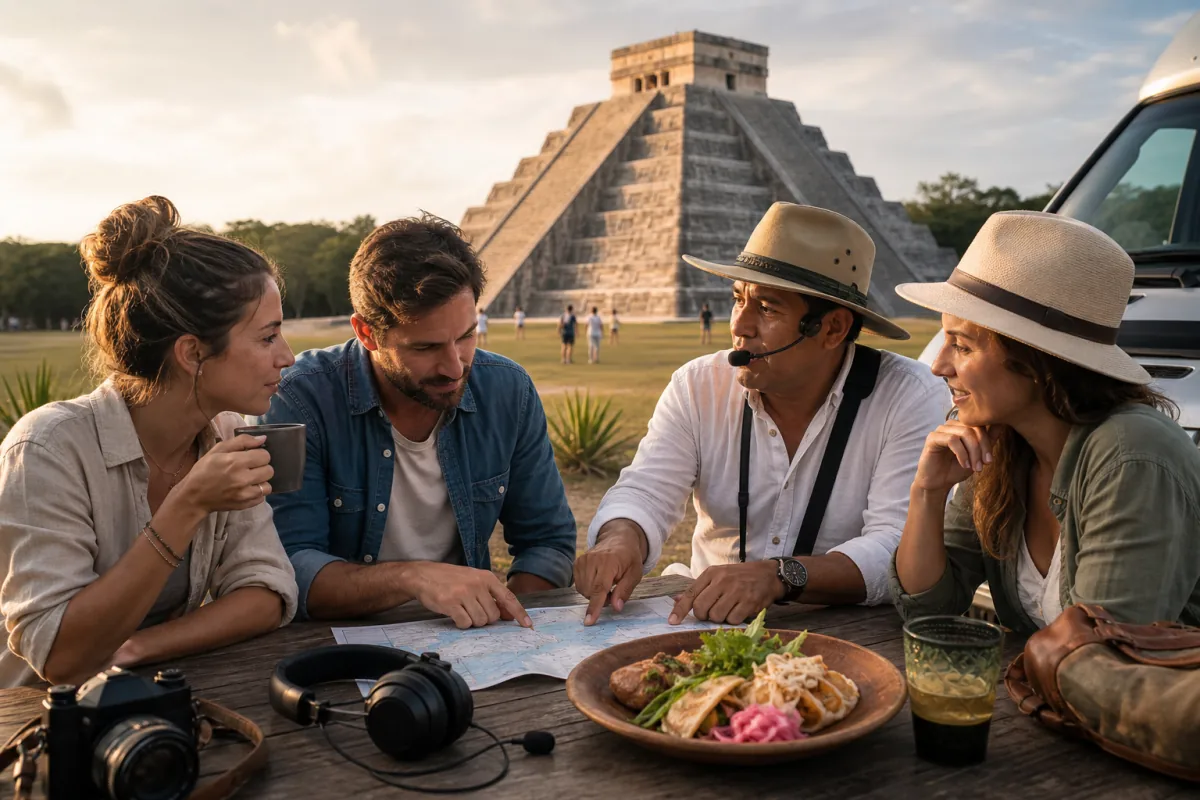
What early access, classic, deluxe and premium must explain before you choose.
Early access sells timing
Its value is an earlier archaeological visit with a correspondingly early Hotel pickup. Compare heat, crowd exposure and total duration.
Classic establishes the base day
Use the classic option to understand the standard transport, guided visit, meal and stops before measuring an upgrade.
Deluxe must improve something concrete
A deluxe rate should identify the upgraded meal, service sequence, access or comfort rather than repeat the base description.
Premium is not automatically private
Read group and transport terms. A premium meal or service package can still use shared transportation.
Start with the timing difference, not the label
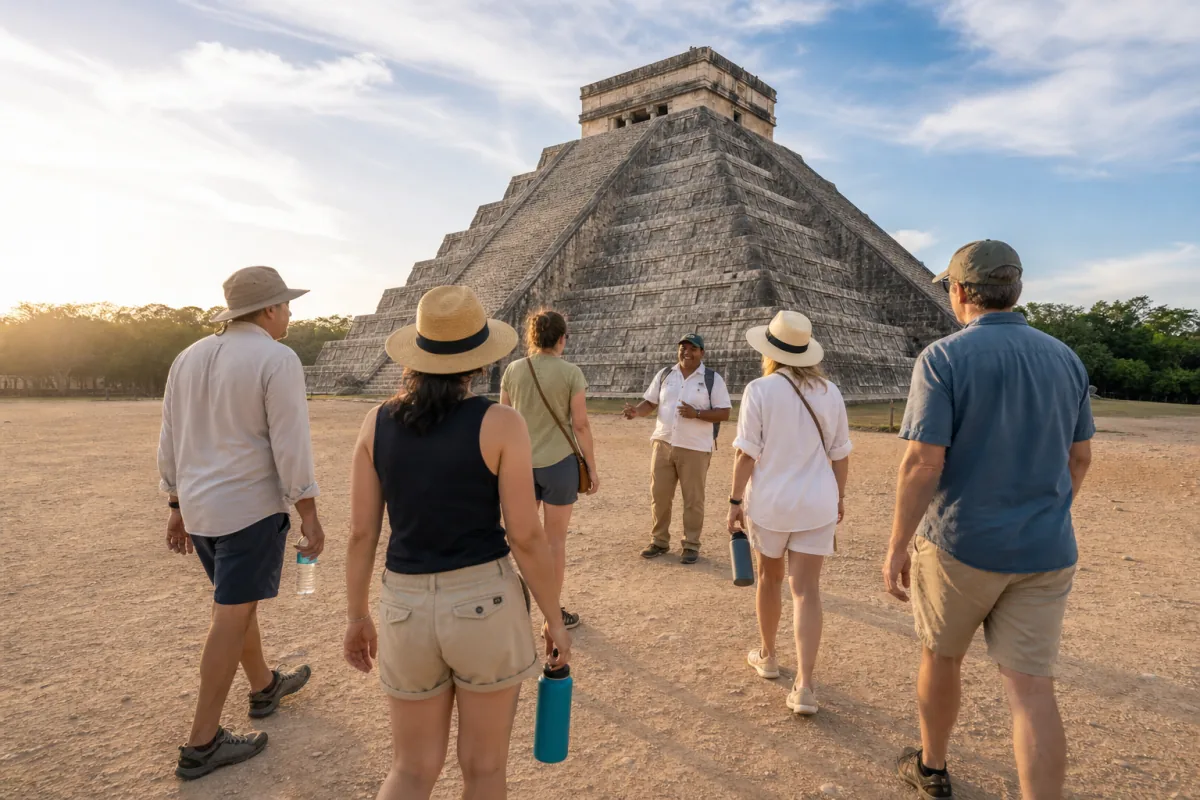
When you compare Chichén Itzá rates, the first question is not whether a product sounds premium or classic. It is how the day is paced. Early access exists for one reason: to put you inside the archaeological zone before the hottest hours and before the site feels fully crowded. That benefit can matter a lot in the Mexican Caribbean, where heat, glare, and a long day in transit can wear people down faster than they expect. But the value only holds if you are comfortable with a very early hotel pickup or a fixed meeting point, and with a return schedule that may make the day feel longer. A traveler who wants a more relaxed morning may prefer a later departure even if the site is busier. In other words, timing is a tradeoff, not a bonus word. Read the dated option carefully so you know what the chosen departure window actually delivers.
Classic should show you the full baseline clearly
A classic Chichén Itzá option ought to be easy to evaluate because it defines the standard day: transport, guided visit, a meal component, and the expected stops that frame the excursion. Use that baseline as your reference point before paying extra for anything else. The most useful classic product is the one that states what kind of vehicle is used, whether pickup is by hotel zone or by a meeting point, and how much of the day is structured versus free. That matters in Cancún, where traffic buffers can change the feel of a tour even when the destination is constant. A well-written base itinerary also tells you whether the meal is a simple lunch, a buffet, or something more tailored, without implying luxury that is not really there. If the classic version already matches your priorities, that is a good sign. Not every trip needs an upgrade; sometimes clarity is the real value.
Deluxe should earn its higher price in a visible way
A deluxe rate deserves scrutiny because the word itself says very little. The question is whether the upgrade improves a concrete part of the experience you will actually notice during the day. Maybe the meal is better, the sequence is smoother, the guide service is more attentive, or the transport comfort is noticeably higher. Maybe the schedule reduces waiting or the group size is handled in a way that feels less rushed. Those are meaningful differences. What does not count is a vague promise of being “better” without saying how. For first-time visitors, the best deluxe options are usually the ones that reduce friction: fewer confusing transitions, a clearer meeting arrangement, and a more comfortable pace when the day gets warm. If you are deciding between classic and deluxe, ask yourself whether the upgrade changes how your body feels by midday. In this climate, that is often more valuable than a decorative extra.
Premium can still be shared, and that is not a flaw
Premium sounds like it should mean private, but in practice it often does not. A premium Chichén Itzá rate can still involve shared transportation, and it may still rely on set pickup zones or a fixed meeting point rather than door-to-door service. That is not a defect; it is simply how many well-run day tours are organized. The real question is whether the premium package explains where the added value goes. Sometimes that means a stronger meal program, a more polished service sequence, or better comfort in the vehicle. Sometimes it means a less crowded-feeling experience because the group is managed carefully, even if it is not private. Before you pay more, read the transport terms, the meal description, and the wording around group format. Travelers with limited mobility, young children, or strict nap schedules should care especially about this distinction. Premium should improve the day you experience, not just the name on the reservation.
Meal quality matters more than most first-timers expect
On a long archaeological day, the meal is not a side note. It affects energy, patience, and how much you can enjoy the afternoon after walking in the sun. That is why meal wording deserves real attention in any Chichén Itzá rate comparison. If an option includes a meal, check whether it is a simple stop, a buffet, or a more upgraded arrangement, and whether drinks or special menu items are actually part of the dated selection. The useful question is not whether the food sounds fancy, but whether it will feel adequate after heat, dust, and hours on the road. Families, older travelers, and anyone with dietary needs should be especially careful to confirm what the operator can or cannot accommodate on the specific date booked. Avoid assuming that a higher rate automatically means a better meal. A better-organized, well-timed lunch can be more valuable than a decorative upgrade if it keeps the day steady and comfortable.
Transport style can change the whole mood of the excursion
The transport portion deserves as much attention as the archaeological visit itself. A smooth Chichén Itzá day often depends on how much moving around the traveler has to do before the site even starts. hotel pickup sounds convenient, but it usually depends on whether your property falls inside the stated pickup zone. If not, you may need to use a shared meeting point. That distinction matters in Cancún, where traffic, hotel layouts, and resort access can affect punctuality. Shared transportation can be perfectly fine, but it requires flexibility and a realistic attitude about timing. A rate that looks modestly higher may be worth it if it reduces transfer complexity or provides a more comfortable ride for the length of the day. Just do not assume that a nicer package means a private vehicle unless that is stated in the selected option. The transportation terms are part of the product, not a side detail.
Choose with heat, water confidence, and pacing in mind
First-time visitors often judge Chichén Itzá rates by inclusions alone, but physical comfort may matter more. Midday heat, strong sun, and long stretches of standing can make even an excellent itinerary feel demanding. If you are sensitive to heat, prefer earlier timing, a more efficient route, and a package that keeps transitions simple. Bring water, sun protection, and comfortable footwear, and be honest about your mobility level before selecting a day that involves a lot of walking. Water confidence matters too if your plan includes any optional swimming or water-based stop on the broader itinerary; do not rely on casual assumptions about what feels manageable. Travelers with small children, older adults, or anyone who needs extra rest should favor a slower pace and read the exact day structure carefully. The best rate is the one that matches the body you will have on the day of travel, not the version of yourself you imagine during booking.
Read the dated option like a contract, then decide
The final before-payment check should be practical, not emotional. Confirm the dated option, the pickup or meeting arrangement, the transport format, the meal language, and any upgrade terms that actually distinguish one rate from another. Pay attention to whether the product is tied to a specific service date, because operational details can change by day, by hotel zone, or by the selected meeting point. That is especially important in a destination like Cancún, where traffic buffers and resort logistics can affect the real start of the excursion. Also check whether the rate is appropriate for traveler ages, mobility needs, and group composition, since not every itinerary suits every visitor equally well. If anything is unclear, assume it is not included until the selected option states otherwise. The best choice is usually the one that explains itself plainly. In travel, transparency is a better upgrade than a vague promise, and it is the surest way to spend wisely.